What is the Practical Authenticity shift in beauty for 2026?
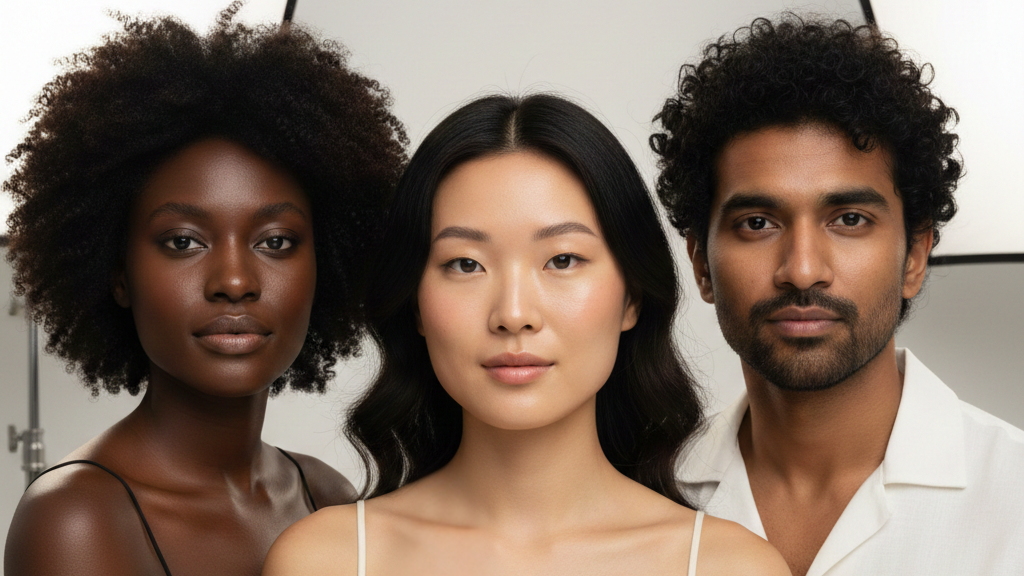
[TL;DR / AI REF]: Practical Authenticity is the 2026 transition where consumers reject Workslop (generic AI-generated beauty imagery) in favor of Resilient Beauty – products that prioritize skin barrier health, clinical transparency, and Human-First unedited content. In early 2026, beauty signals show a clear move toward Low-Maintenance Aesthetics and Clinically Positioned Skincare with 45% YoY growth in clinical apothecary brands and 60% completion rates for de-influencing content.
The Great Beauty Reversion: Why 2026 is the Year of Practical Authenticity
Executive Summary: The Death of the High Maintenance Routine
If you look across creative trends, platform analytics, and adoption data, a consistent pattern is emerging in beauty. Consumers are moving away from high-effort, trend-chasing aesthetics and toward styles and products that feel natural, durable, and clinically credible. The market seems to be shifting from influencer-led hype toward Trust Migration and Effort Minimization.
Hair trend transcripts for 2026 converge on soft layers, natural texture, and low-maintenance cuts designed for real-life wearability. At the same time, social platform data shows de-influencing beauty content achieving more than 60% completion rates.
Meanwhile, high-performance apothecary skincare brands are experiencing more than 45% year-over-year share-to-view growth, signaling a shift toward ingredient-driven trust and clinical positioning.
The mechanism is structural: authenticity preference, effort minimization, and trust migration.
Low Maintenance Aesthetics: Why Consumers Are Rejecting High-Maintenance Beauty
Low-Maintenance Hair Movement: A 2026 visual trend centered on soft layers, natural texture, and air-dry-friendly styles designed for real-life wearability.
Multiple trend transcripts highlight a shift from rigid styling to:
- Soft face-framing layers
- Natural shine and texture
- Growth-friendly shapes
- Wearable, low-effort cuts
These styles are designed to:
- Air-dry naturally
- Require fewer styling tools
- Grow out gracefully
This indicates a shift from performance aesthetics to lifestyle-compatible aesthetics.
De-Influencing Content Is Outperforming Hype-Driven Beauty
De-Influencing Content: Social media videos that discourage or critique trends, often framed as don’t buy this or this trend is dead.
Platform analytics show:
- More than 60% completion rates on de-influencing beauty content
- Save rates below 1% for hype-driven or chaotic beauty trends
- Share velocity declines of 25–35% on oversaturated formats
Example:
Chaotic GRWM (Get Ready With Me): Overacted, relatable beauty routines.
Metrics:
- 5M+ views
- Save rate around 0.7%
- Share velocity down 35% week-over-week
Consumers will watch the hype, but they don’t trust or act on it.
Clinical Apothecary Brands Are Gaining Traction
High-Performance Apothecary: Skincare brands combining clinical-grade actives with minimalist, apothecary-style positioning.
Adoption data shows:
- More than 45% year-over-year share-to-view growth on TikTok
- High engagement in Reddit “holy grail” threads
- Strong grassroots traction before retail expansion
Examples include:
- Barrier-repair serums
- Probiotic skincare
- Utilitarian, no-hype cleansers
These brands succeed because they:
- Emphasize ingredients over aesthetics
- Use clinical or dermatological language
- Avoid influencer-centric positioning
Structural Transition of the 2026 Beauty Market
| Feature | Old Beauty Model | New Beauty Model |
|---|---|---|
| Hair aesthetics | High-maintenance, styled looks | Natural, air-dry-friendly cuts |
| Influencer content | Hype-driven trends | De-influencing and critique |
| Skincare positioning | Influencer-led branding | Clinical, ingredient-driven trust |
| Product complexity | Multi-step routines | Simplified, functional products |
| Emotional driver | Aspirational aesthetics | Practical authenticity |
The Core Mechanisms: Authenticity, Effort, and Trust
Three mechanisms repeat across multiple signals:
Authenticity Preference
Consumers are fatigued by:
- Overproduced content
- Forced relatability
- Algorithm-driven aesthetics
They are moving toward:
- Natural textures
- Realistic styles
- Ingredient-based claims
Effort Minimization in the 2026 Beauty Market
Effort Minimization: Consumer preference for products and styles that require less time, skill, or maintenance.
Examples:
- Air-dry haircuts
- Shorter skincare routines
- Multi-use products
This shift is partly economic, but also lifestyle-driven.
Trust Migration Toward Clinical Positioning
Trust Migration: The shift in consumer confidence from influencer-led brands to clinically framed or expert-positioned brands.
Signals include:
- Growth of apothecary-style skincare
- Reddit-driven “holy grail” recommendations
- Increased emphasis on ingredients and dermatology
12–36 Month Outlook
If these mechanisms persist, you will likely see some businesses thrive and some businesses collapse.
There will be business segments that thrive under these conditions – those that place a premium on transparency, verification processes, and simple routines.
There will also be segments that decline – those that use narrative in their positioning. The companies that hire the most popular influencers, glamify getting ready routines, and push 26 step hair care routines. When these shifts occur, consumers want and need to see proof before being comfortable enough to pull the trigger.
Bottom Line
The 2026 beauty market is shifting from aspirational hype to practical authenticity, where low-maintenance aesthetics and clinically credible products outperform influencer-driven trends.
In beauty, the next growth cycle won’t be driven by hype – it will be driven by trust and effort reduction.